
Prenatal vitamins play a crucial role in ensuring the health and well-being of both expecting mothers and their developing babies. During pregnancy, the nutritional needs of a woman increase significantly to support the growth and development of the fetus, as well as to maintain the mother's health. Prenatal vitamins are specifically formulated to meet these enhanced nutritional requirements and to address certain nutritional gaps that might be present in a pregnant woman's diet.

One of the most important components of prenatal vitamins is folic acid (a synthetic form of folate), which is essential for the proper development of the neural tube – the precursor to the baby's brain and spinal cord. Adequate intake of folic acid, ideally starting before conception and continuing through pregnancy, significantly reduces the risk of neural tube defects, such as spina bifida.

Iron is another critical ingredient in prenatal vitamins. During pregnancy, a woman's blood volume increases to support the growing fetus, which raises her need for iron. This mineral is vital for producing hemoglobin, the protein in red blood cells that carries oxygen to the tissues. Adequate iron intake helps prevent iron-deficiency anemia, a condition in which the blood lacks enough healthy red blood cells, leading to fatigue and other complications.
Calcium and vitamin D are also important. Calcium is essential for the development of strong bones and teeth in the fetus, and if a pregnant woman's intake is inadequate, her body will draw calcium from her bones, which can negatively impact her own bone health. Vitamin D aids in the absorption of calcium and is important for the development of the baby’s bones and teeth as well.

Prenatal vitamins also typically contain other essential nutrients, such as Omega-3 fatty acids (including DHA), which are important for the baby's brain and eye development, and vitamins like B12, C, and E, which support various aspects of maternal and fetal health.
It's important to note that while prenatal vitamins are a valuable supplement, they are not a substitute for a healthy diet. Eating a balanced diet rich in fruits, vegetables, whole grains, lean proteins, and dairy products (or calcium-fortified alternatives) is crucial during pregnancy. Prenatal vitamins should complement a healthy diet, not replace it.
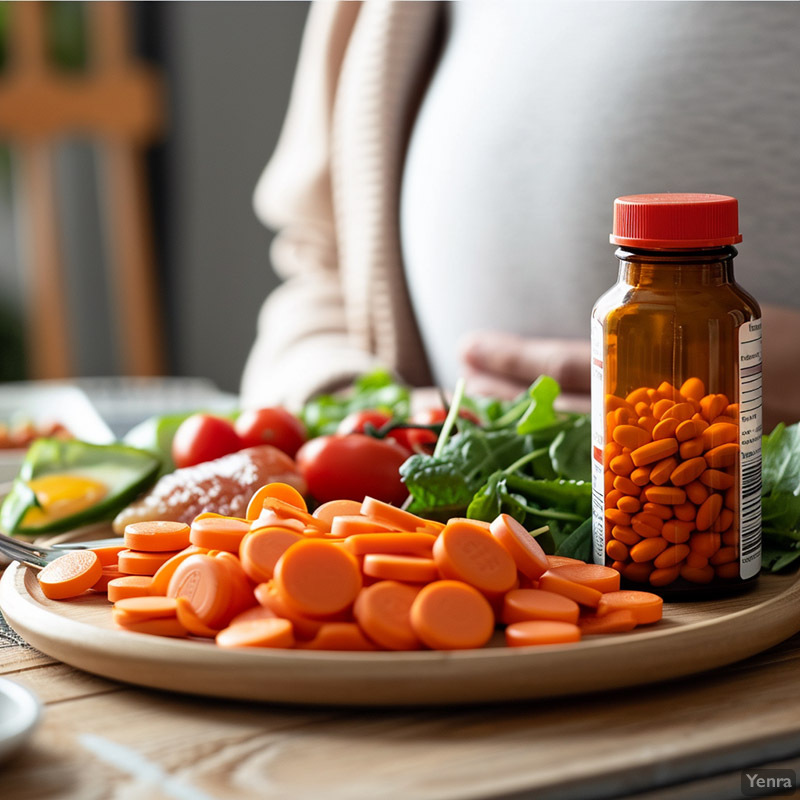
Finally, it's essential for pregnant women to consult with their healthcare provider before starting any supplement, including prenatal vitamins. This ensures that the supplement chosen is appropriate for their specific health needs and the needs of their developing baby.
Prenatal vitamins are an important part of prenatal care, providing essential nutrients that support the health and development of both the mother and the baby during pregnancy. They help prevent birth defects, support healthy growth, and complement a balanced diet to meet the heightened nutritional needs during this critical period.
Research
 Despite Government advice, a third of women don't know they should supplement their diet before, during and after pregnancy.
This finding is just one example of the confusion felt by women about good nutrition during pregnancy, which is possibly being fueled by the rise in celebrity pregnancies and extensive coverage of those who continue to follow faddy or inappropriate diets regardless.
The research reveals that:
- Almost a third of women (31%) are unaware of the need to supplement their diet with extra folic acid before and during the first three months of pregnancy
- 44% of women are unaware of the benefits of taking a multivitamin supplement containing folic acid and other beneficial vitamins and minerals during this time and beyond
- 1 in 6 women think that eating a healthy diet alone during pregnancy is enough to provide them and their growing baby with all the nutrients they need for good health
Obtaining enough folic acid from the diet alone is impossible for most women who are pregnant or planning a pregnancy. In fact the FSA's recent National Diet and Nutrition Survey highlighted that 92% of women are not receiving adequate levels of folic acid. The Department of Health recommends taking a supplement containing 400mcg of folic acid daily. Folic acid plays a vital role in the healthy development of the baby's brain and spinal cord. But folate isn't the only essential nutrient. In research, multivitamin supplementation around the time of conception has reduced the risk of serious birth defects, premature delivery and low birth weight by 50%.
Women are confused about when they should begin supplementing their diet, with four in ten women unaware they should begin as soon as they stop taking contraception, and start trying for a baby. What's more, in research multivitamin supplementation has been shown to increase conception by around 7 per cent.
Expert nutritionist Juliette Kellow explains: "Folic acid and other nutrients are vital for the healthy development of the baby. Often women don't find out they are pregnant until a few weeks into pregnancy, by which time the baby's growth could have been affected by the lack of certain nutrients. It's therefore important that women begin supplementing their diet as soon as they stop contraception."
Having a baby appears to be a recent trend amongst celebrities, with many of our icons reaching motherhood and openly confessing to wanting a family. Numerous celebrities are rumored to be closely associated with the latest diets, be it Gwyneth hailing the macrobiotic diet, Kate Winslet's success with facial analysis or Anniston's love for Atkins. The Sanatogen ProNatal research also reveals that almost half of the women questioned were baffled by celebrities' eating habits at this lifestage, with 44% unable to say which celebrity had the healthiest diet.
Juliette Kellow comments: "With so many celebrities endorsing different diets, it's not surprising women are confused about what to eat at any stage in life. During pregnancy the most important thing is to have a balanced diet that provides a wide range of foods. Fad diets and diets that exclude vital food groups are generally not suitable for anyone, especially before and during pregnancy, and whilst breastfeeding. And even someone following a healthy, balanced diet should take a tailored multivitamin specifically designed for pregnancy such as Sanatogen ProNatal to ensure they are getting sufficient nutrients for themselves and their developing baby."
The research further reveals that women have unrealistic expectations when it comes to losing weight after they have given birth and feel under pressure to shift those post-baby pounds as quickly as celebrities like Liz Hurley, who famously lost her excess weight within six weeks of giving birth, thanks to a strict diet and exercise regime. A staggering 23% of women want to lose all their excess weight within 6 weeks of giving birth. 79% want to lose all their excess weight within 6 months
But it takes 9 months to make and nurture the baby and just as long to recover, so your body needs optimum nutrition. Deputy General Secretary, Louise Silverton spokesperson for the Royal College of Midwives explains:
"Women receive many conflicting messages about nutrition before, during and after pregnancy. Women should be clear that the best advice is to eat a healthy balanced diet. They may also wish to take a pregnancy multivitamin such as Sanatogen ProNatal (which contains folic acid, recommended prenataly and for the early months of pregnancy). This will ensure they don't miss out on important nutrients. Women, particularly those breastfeeding, should also be aware of the dangers of losing weight too quickly after pregnancy, and should not feel pressurized by the media to turn to faddy diets rather than eating sensibly."
The UK's leading pregnancy vitamin Sanatogen ProNatal is a tailored multivitamin and mineral supplement with folic acid scientifically proven to help build a healthy baby. It is a one-a-day multivitamin supplement designed for women who are planning pregnancy, who are pregnant and who are breastfeeding. It contains essential folic acid, as well as other vitamins and minerals needed to help build a healthy baby.